
Dragon Quest VII reviewed
Plus Pikmin Bloom, Fire Emblem, Animal Crossing, Just One and the Commodore 64 Ultimate.


Hello there! The past week has seen a lot of Nintendo news, as Ninty hosted a partner direct and had its latest quarterly earnings. I also had a chance to visit the Big N’s offices to preview some upcoming offerings. All taken together, the current era feels like a curious mix of unstoppable Switch Nintendo and quirky slow-times Wii U Nintendo.
Switch 2 sold very well in its first six months, but the roadmap ahead is pretty thin, and it’s become clear most third parties couldn’t get software ready pre-launch. I played Resident Evil Requiem and Pragmata on the console and they look great, so the hardware isn’t the thing stopping every big new release from arriving. On the other hand Nintendo is going as all-out as it possibly can bringing Virtual Boy to Switch Online, which at any other time would have felt like a move of absolute desperation. With third parties dripping in slowly and Weird Nintendo firmly locked in, I think all we need is some banger third party announcements for later in 2026 to keep the Switch 2 hype train moving.
This week in the newsletter we’re looking at the Dragon Quest VII remake, which takes a wholly different approach to the Final Fantasy VII remake, and going on a picnic with Pikmin Bloom. We’re also testing out a fun vocabulary card game and a new take on an old-favourite computer.
Fragments of the forgotten past
By Tim
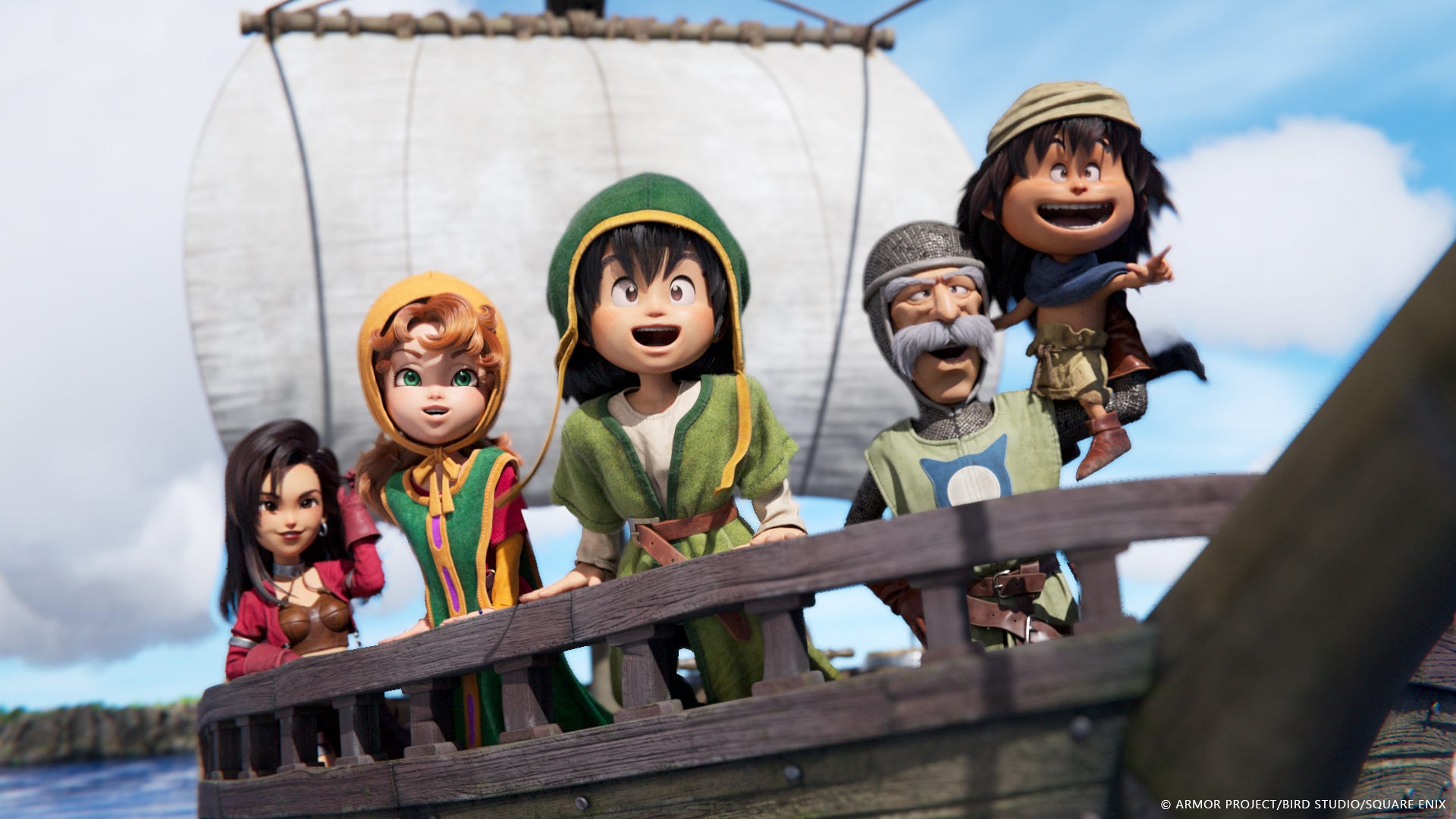
Dragon Quest is a strange series. It’s hugely popular and influential in Japan, made by a whos-who of RPG development and design, scored by game music legends, with art from the late great Akira Toriyama. Some early games saw release in the US, but for the rest of us the series really only arrived with 2006’s Dragon Quest VIII. Everything older feels like a relic of an alternate past that never happened.
In this context, the recent remakes of Dragon Quest III and Dragon Quest I-II offered a profound look at the series’ past, albeit with a lot of the hard edges rounded off. But this month’s Dragon Quest VII Reimagined is a much bigger and more ambitious project.
Curiously, while Square approached the remake for Final Fantasy VII — another beloved PS1 game — by expanding the themes and story, Dragon Quest VII feels compressed. And while battling was thoroughly modernised for FF7, here it remains old school.
If this is your first Dragon Quest, I expect it will feel like a throwback, and an easy one at that. You get quest markers by default, and your party members always reinforce where you should go, so you never get lost. I’ve played a lot more of the 2016 3DS version of the game than the PS1 original, but in the opening hours of Reimagined I could also tell the maps and story have been streamlined, and the overworlds feel smaller.
All that said, the ingredients that made the series — and this entry in particular — beloved are on full display. Enemies are endlessly charming, and I love a good job system, enhanced here by the ability to learn two professions at once. The visuals are gorgeous, with the original Toriyama designs rendered as though they were maquette puppets.
There is a lot of dialogue, and it’s now mostly voiced, which is a double edged sword because I find the faux-British dialect grating. But that’s balanced by the excellent narrative structure that sees you time travelling to parts of the world that have since sunk into the sea, with your actions leading to their re-emergence in the present day.
It doesn’t feel like a new game at all, but it’s special nonetheless. As your characters are scrounging around looking for fragments of a past they never knew, to shine a light on the elements of the present they love, it feels like that’s what you’re doing as well. Dragon Quest is a massive part of contemporary RPG design, and this is one of the nicest ways to discover it today.
What’s on our radar
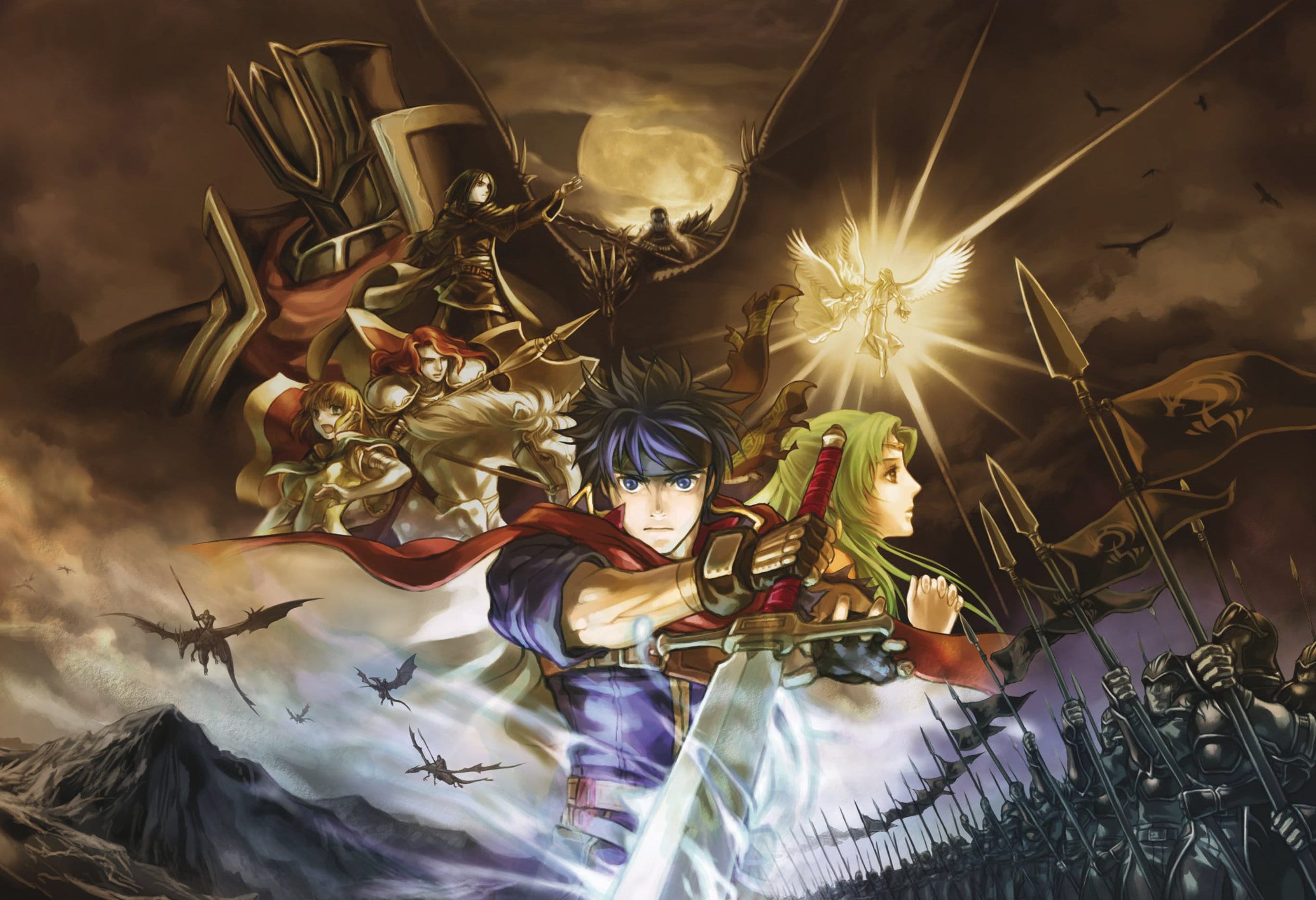
In addition to Dragon Quest I’ve also been revisiting another older RPG; Fire Emblem: Path of Radiance. I started this playthrough last year and picked it up again recently, but in the time between it’s actually been added to the Nintendo Switch Online library, so I can recommend the game to anyone with a Switch 2, rather than only to those with a Gamecube and $700 to burn. This is one of the finest games in the whole series, with a refreshing story about a humble mercenary (not some royal or deity, as is usual) becoming the champion of a righteous war and a hero of anti-racism. The characters and strategy mechanics are wonderful, though it comes with the usual FE stress that downed fighters can be dead for good. Take my advice for a first playthrough; use per-turn save states if you want to get through a particularly rough level, but don’t sweat trying to keep everyone alive. You get access to plenty of good characters, and potentially sacrificing one to save your favourites is part of the fun. I’m also really looking forward to Mario Tennis this Thursday!
Alice: The big thing on my radar this week is chocolate. Godiva is releasing an Animal Crossing themed collection for Valentine’s Day, and while I’m usually more of a Haigh’s person than Godiva, who can resist the decadence of Belgian chocolates and one of the more random collaborations I’ve seen. Animal Crossing has been doing all kinds of collaborations recently, with the Sea Life Aquarium, Crocs, Lego, Uniqlo and now Godiva. This Valentine’s Day range looks simply adorable with keepsake tins and shaped chocolate. Being Godiva, it is very expensive. The tins with 6 chocolates are $30 or $22 (depending on which type of chocolate), and the big tin with 9 beautifully decorated bon bons is a ridiculous $50 and I want it.
Pikmin is blooming good (and I will not apologise for this headline)
By Alice
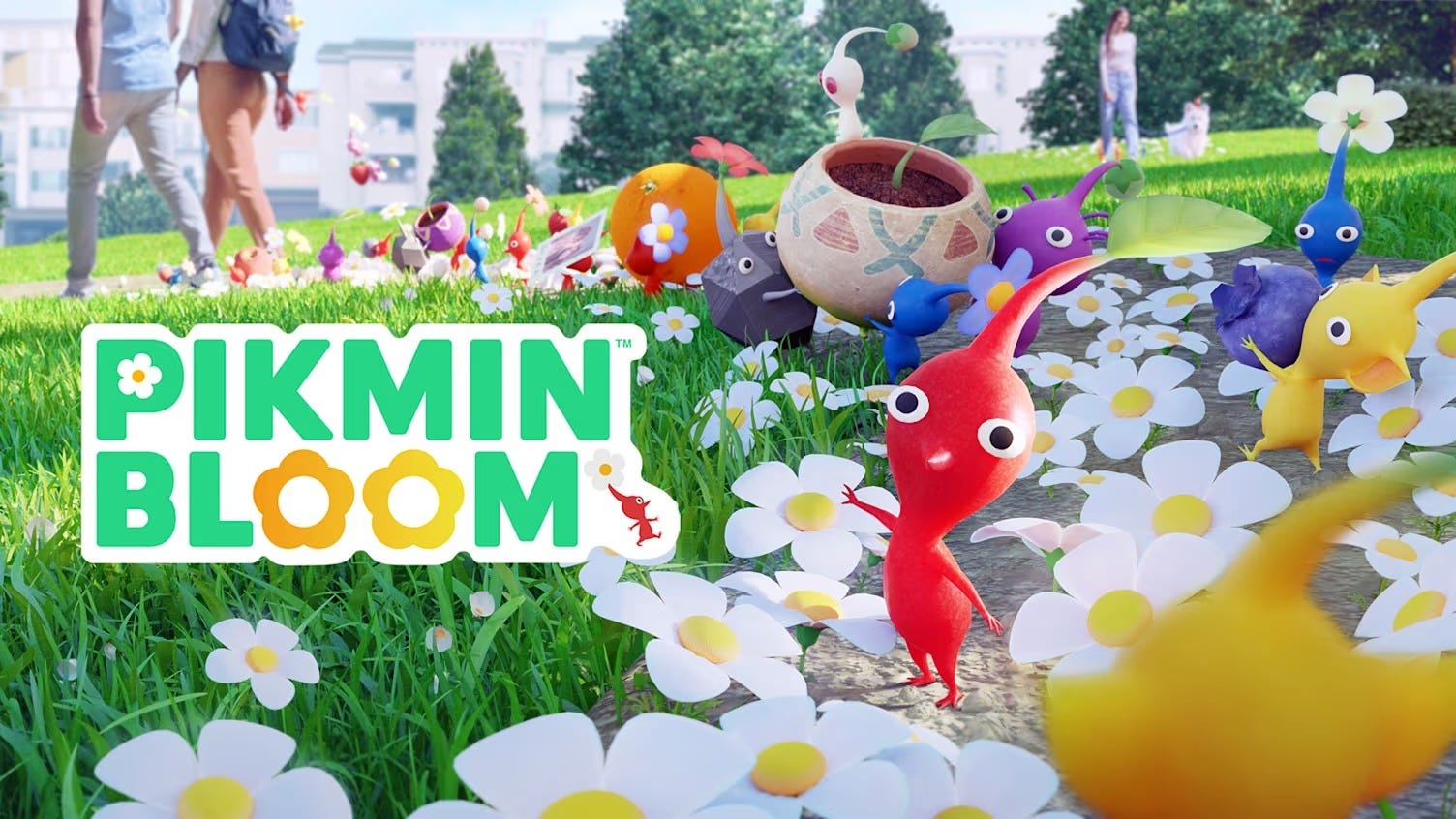
I love a game that makes you go outside. It can’t just be any game though, it has to be undemanding, something that encourages you to explore, but doesn’t require you to be on your phone the whole time you’re doing whatever it is. It’s a hard balance to strike. Pokémon Go found that balance in 2016, and then added so much that it’s now incomprehensible to anyone who took too long of a break.
Pikmin Bloom, however, still seems to be at the right level almost 5 years after release. I played for a few weeks when it first released, and then completely forgot it existed. It wasn’t until a special Pikmin-themed picnic last week that I remembered how cute and entertaining it is.
I know I’m not playing it to its fullest potential, because I know there’s so many aspects of it that I’m clearly missing/ignoring. But I do want to make sure I get enough steps each day to ensure my little Pikmin are able to grow to their aims so I can grow more Pikmin and slowly take over the world.
I send these little buddies out on missions to bring me back resources, and in turn they send me out on missions to get steps so they can plant more flowers. We’re helping make each other a little bit better, and sometimes that’s enough.
So, sure, I could be playing to achieve more in game, and I’m sure the makers of the game (Scoperly, formerly Niantic, the makers of Pokémon Go) would prefer I got more into it and spent money. However I like that it can be played and enjoyed at a more surface level than Pokémon Go. It’s striking all the right balance for me.
If you haven’t played yet now’s a good time to jump in, there’s a Valentine’s Day event going on, with decor if that’s your jam. Who doesn’t love an excuse to go for a nice walk?
Bricks, Boards and Beginnings
by Alice
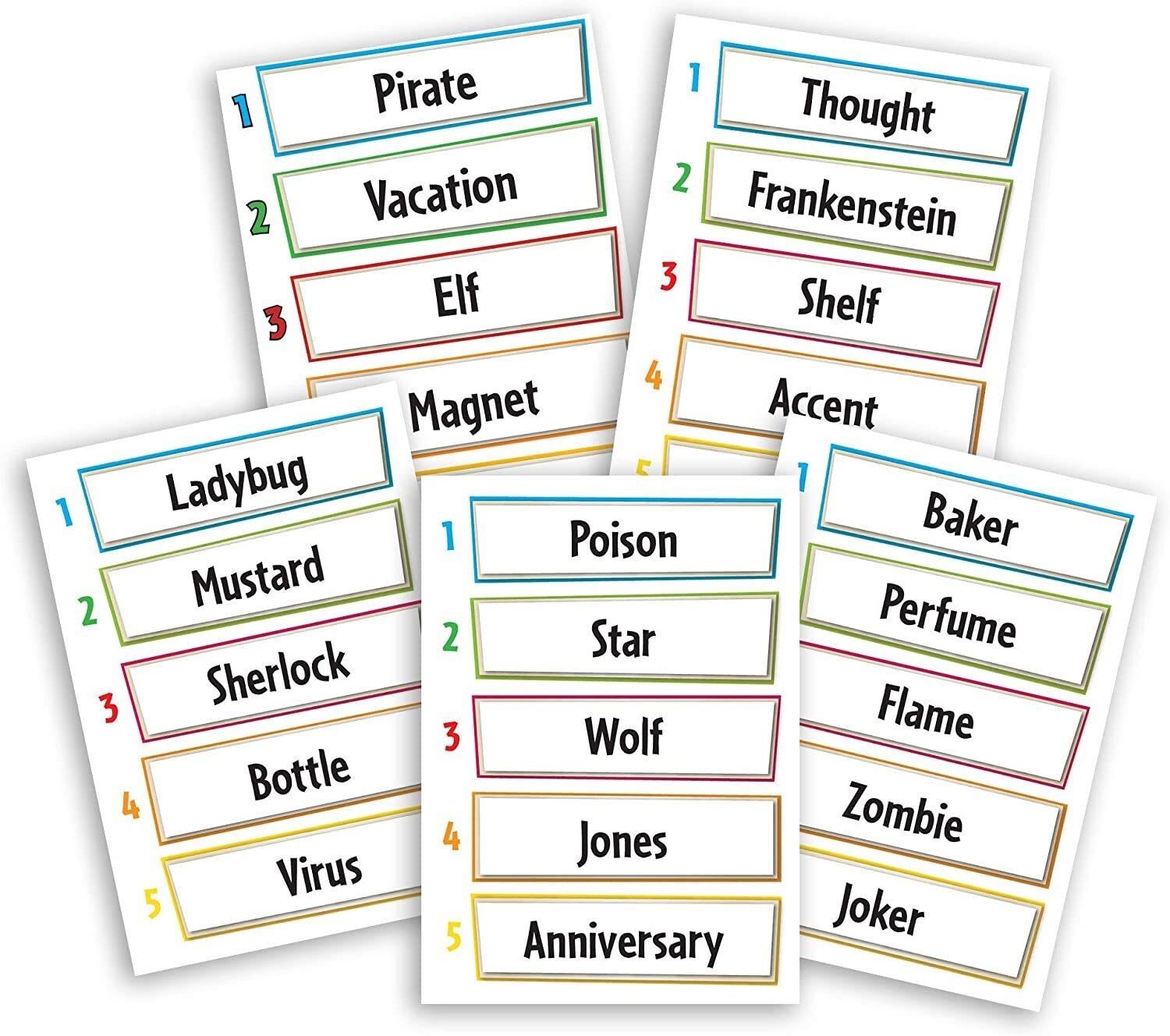
Party games that have the potential to get unhinged are actually the best. Especially when they don’t have the option to become too mean spirited (I’m looking at you, Cards Against Humanity.)
The best game I played over the Christmas break was Just One, a game where each turn, one player has to guess a word, and the other players have to write down one clue to help them guess that word. The catch is that if anyone gives the same clue, those clues get removed before the reveal. It’s a great way to discover you have the same brain as some of your friends, and also how people associate words in interesting ways.
It’s a game you can play with friends and strangers to get to know them better, and it’ll work with basically anyone who speaks the same language as you, and isn’t a complete arsehole. Because it’s a collaborative game, you win and lose as a team, so there’s no incentive to spoil the fun in the pursuit of winning.
I enjoy the meta game of trying to guess what everyone else’s clues will be, so I couldn’t overlap.
Just One has now shot up the ranks to become my favourite party game. It can be played in a group of 3, but a bigger group of 5+ would be ideal. I absolutely recommend it to anyone looking for a good party game.
Retro Esoterica
by Tim
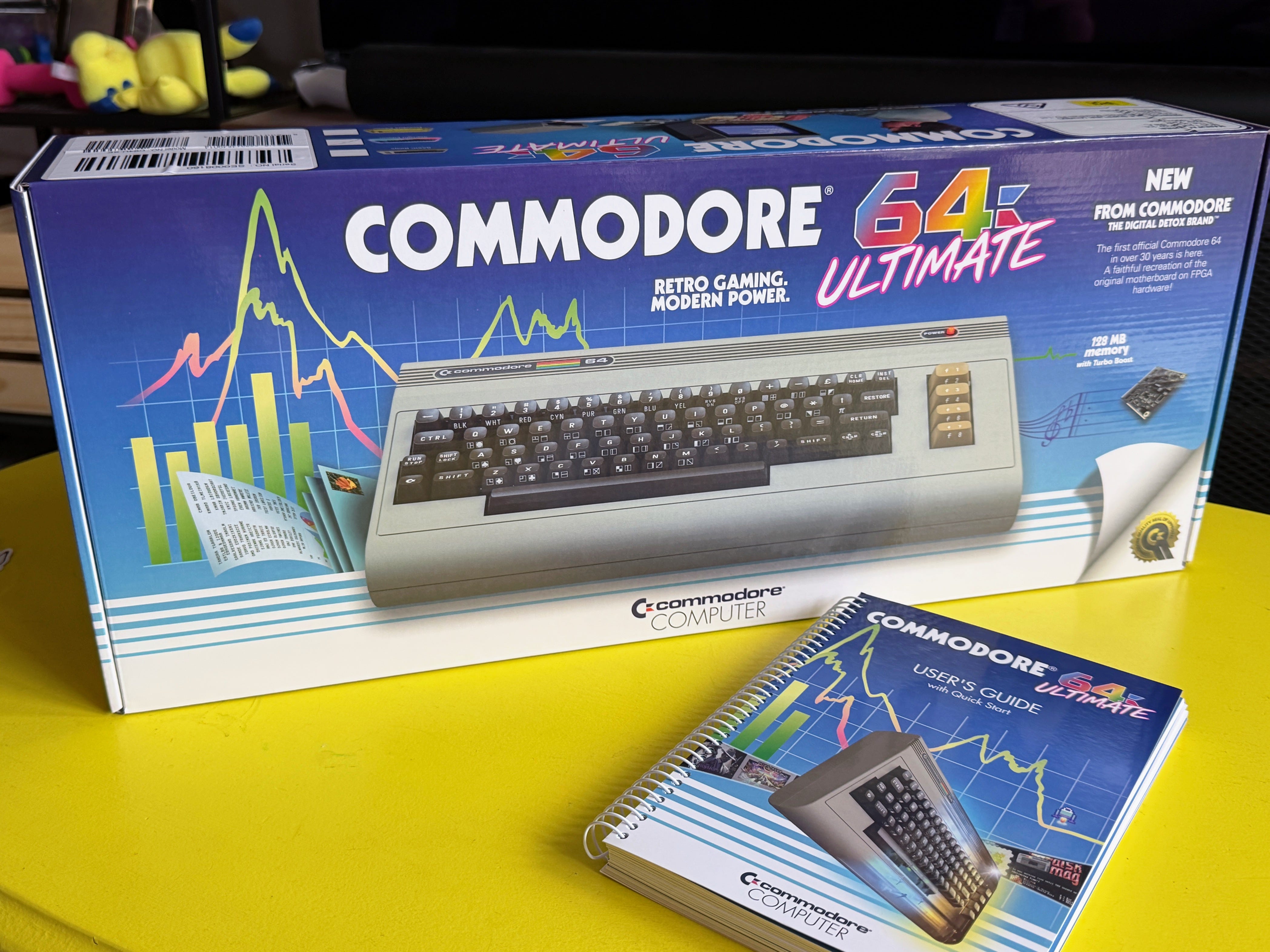
A lot of my earliest memories involve video games, and I have some particularly warm recollections about the Commodore 64. I remember going across the street to the neighbours’ house and my dad buying the computer off them; with a disk drive and a box of pirated games on 5.25-inch floppies. I can only assume he bought it exclusively for me to play with, because I can’t remember anyone else ever using it.
I’m pretty sure I couldn’t read, and I don’t remember who taught me how to load and run. I also have vague dreamlike memories of most games, with only a few actual names standing out — Boulder Dash, Everyone’s a Wally, Elidon — but the art and music of the era and the machine are so specific that there’s a generalised kind of nostalgia for it. That includes the sound of the drive clicking and whirring and thumping as I waited in anticipation of the games too.
I’ve been playing recently on the Commodore 64 Ultimate, an official $500 machine featuring FPGA hardware emulation in a case that looks and feels just like the original, and it’s stoked that nostalgia far better than other emulation boxes. It works just like the old console, with its blue BASIC boot screen, and it even has original-style serial and DB9 ports that I could use if I still had those old disks and joysticks kicking around.
But there’s also a new software layer on top that lets you load tape, disk or cartridge files via USB, or create virtual disk files to write your own software. It feels authentically 80s, except you can use the internet to source files, so it’s like having a friend who can lend you any program ever created. The system comes with a glossy spiral-bound user’s guide that teaches you about coding as well as describing all the machine’s functions, and a USB stick loaded with licensed games, demos and music.
But my favourite part, and something that’s emblematic of the incredible care put into this project, is a tiny speaker buried somewhere inside the machine. All it does is provide authentic disk reading noises, at all the appropriate times.